Doc Designer: A product built without design tools
The problem
Lettings agencies already have tools for brochures. They just aren't fit for purpose.
Google Docs is the default. It works, but it's slow, inconsistent, and hard to make look good. Layouts drift, branding breaks, and non-designers end up doing design work.
The result is time wasted and output that doesn't reflect the business.
The idea
Don't improve the tools. Remove the problem.
If the design is already solved, users shouldn't touch layout at all. They should only provide content.
So the product removes the canvas and replaces it with structure.
Documents are pre-designed, branded, and effectively impossible to break.
The product
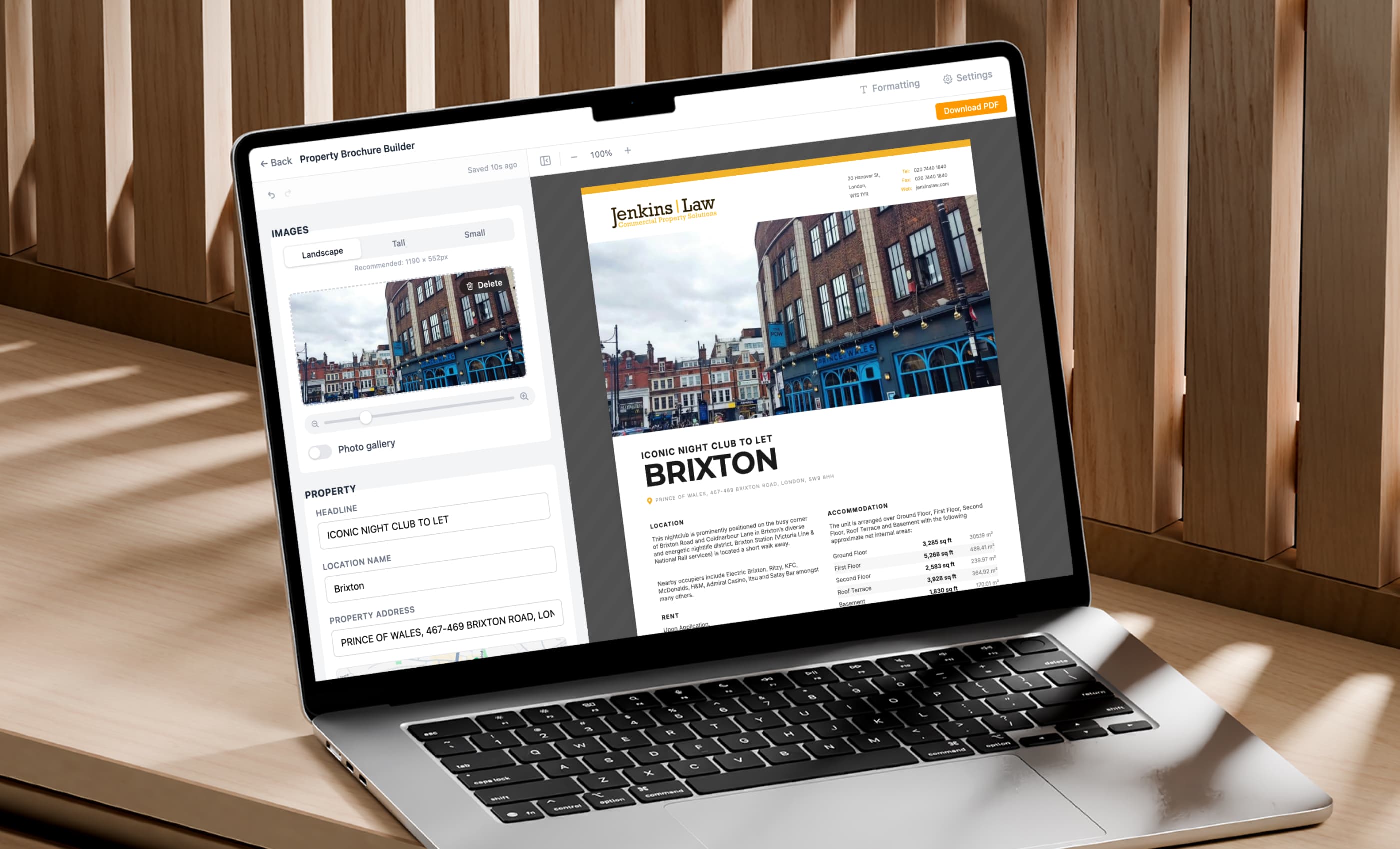
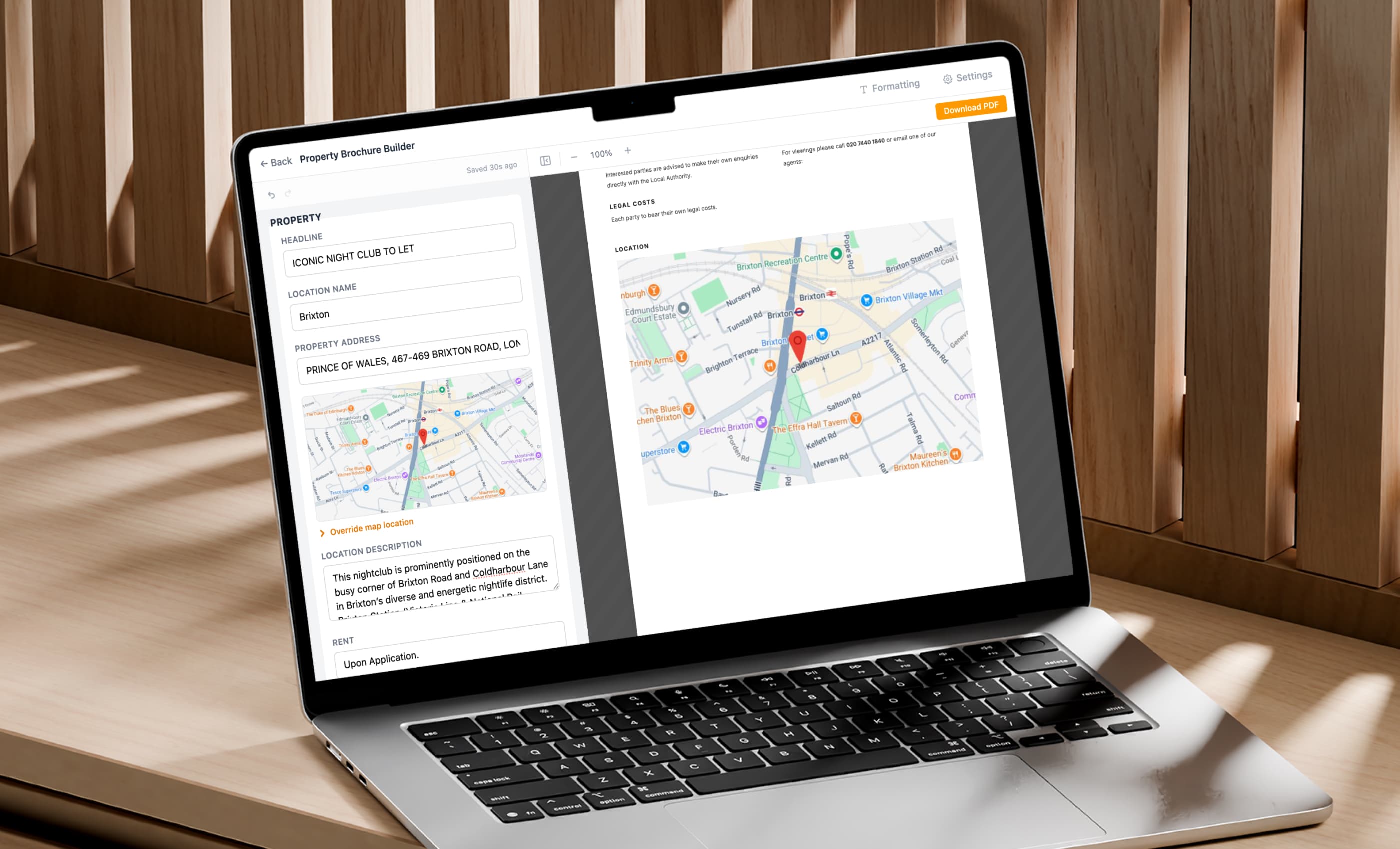
Document designer turns structured inputs into finished PDFs.
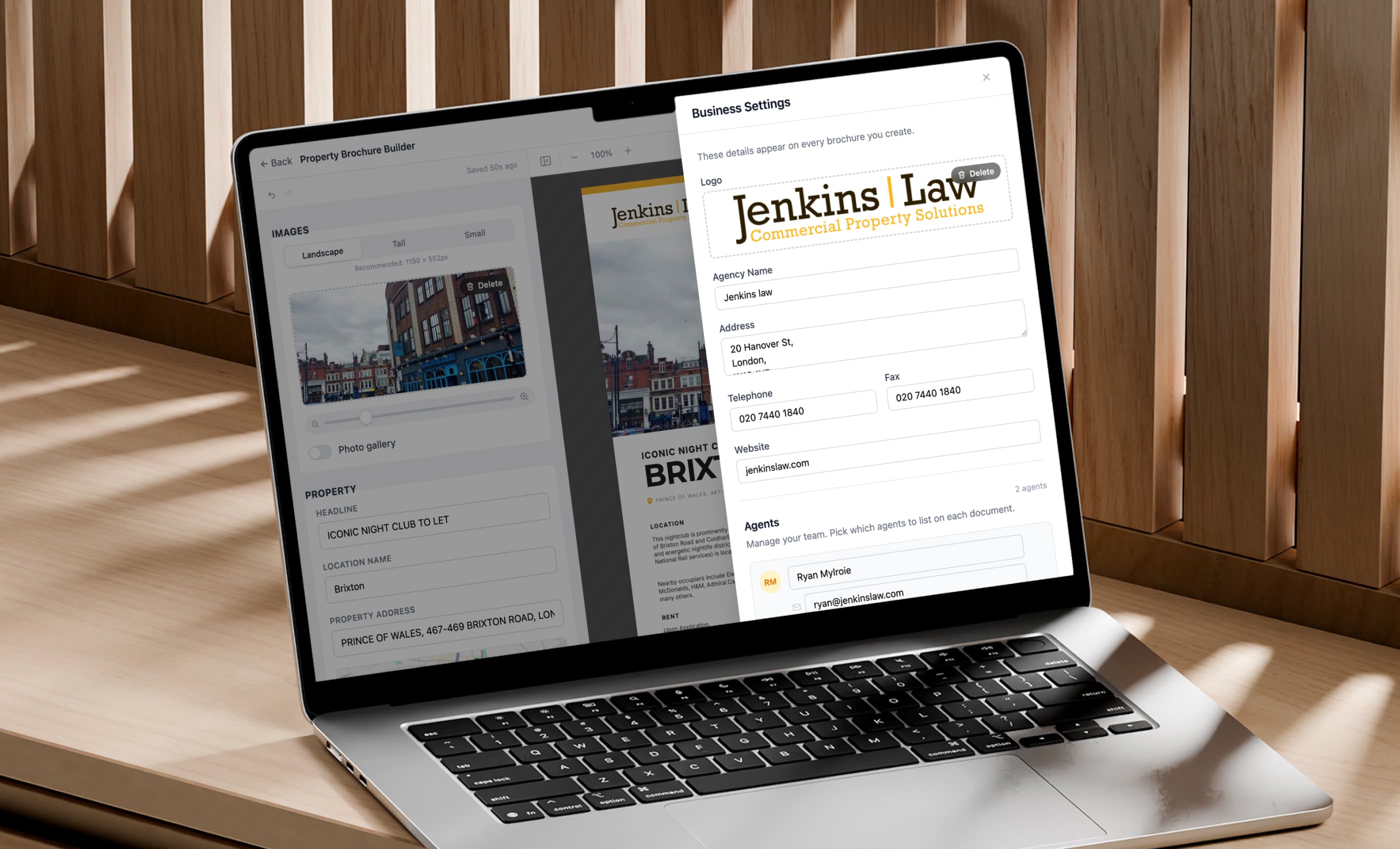
Users log in, pick a template, fill in a form, and get a complete document instantly. Company data is already known, so branding is applied automatically.
The shift is simple: you don't design the document. You fill out a simple form.
Designing the experience
The challenge wasn't building an editor. It was avoiding one.
To make this work, documents had to be reduced to data. Each section becomes a set of inputs. Variations are handled with conditional logic.
This changes the interaction entirely. Instead of adjusting layout, users complete a form that reliably produces the right result.
It also removes failure. There's no way to misalign or break the design because users never touch it.
Flexibility vs control
More control leads to worse outcomes.
Layouts are fixed. Flexibility lives in the inputs. Conditional logic and small overrides handle edge cases without compromising consistency.
This keeps outputs clean while still covering real scenarios.
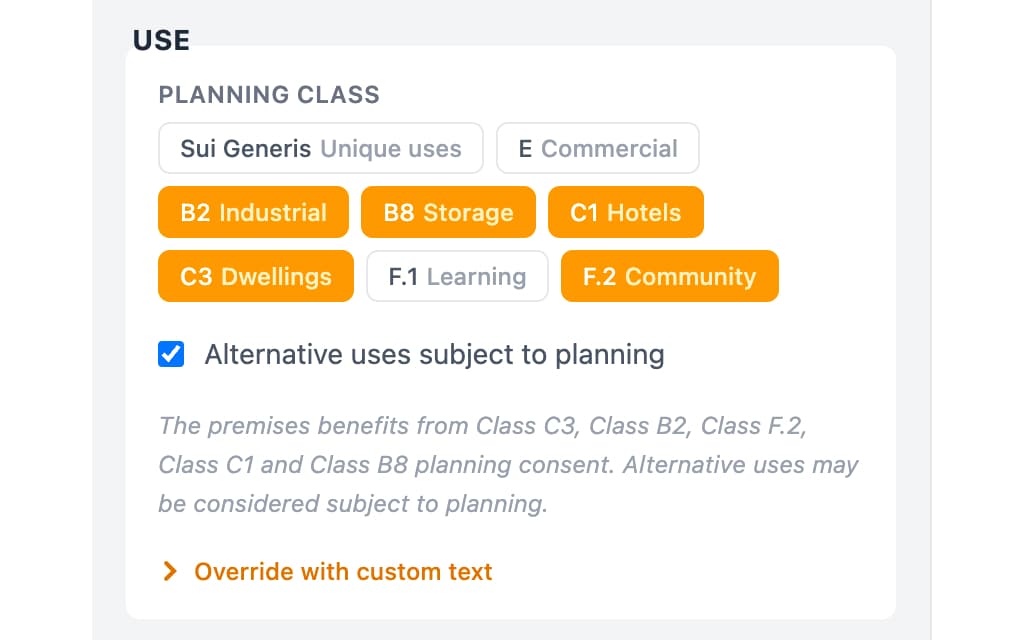
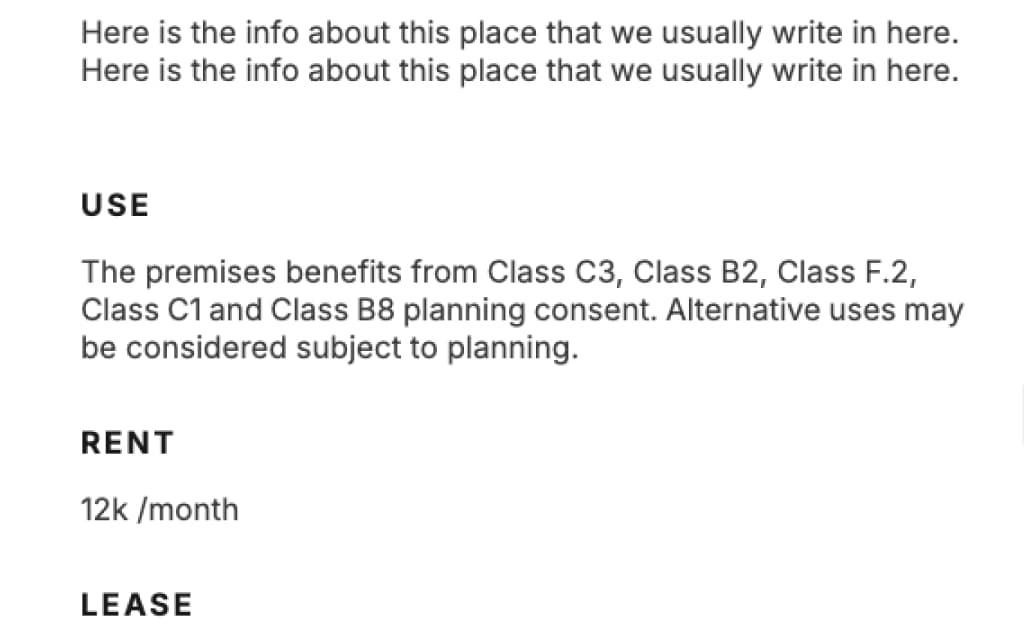
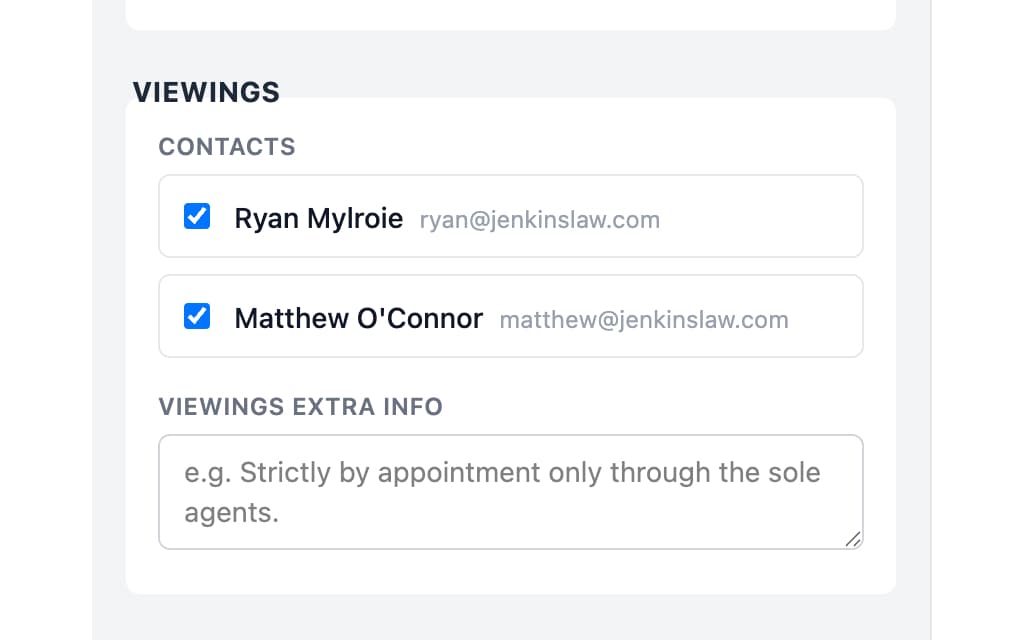
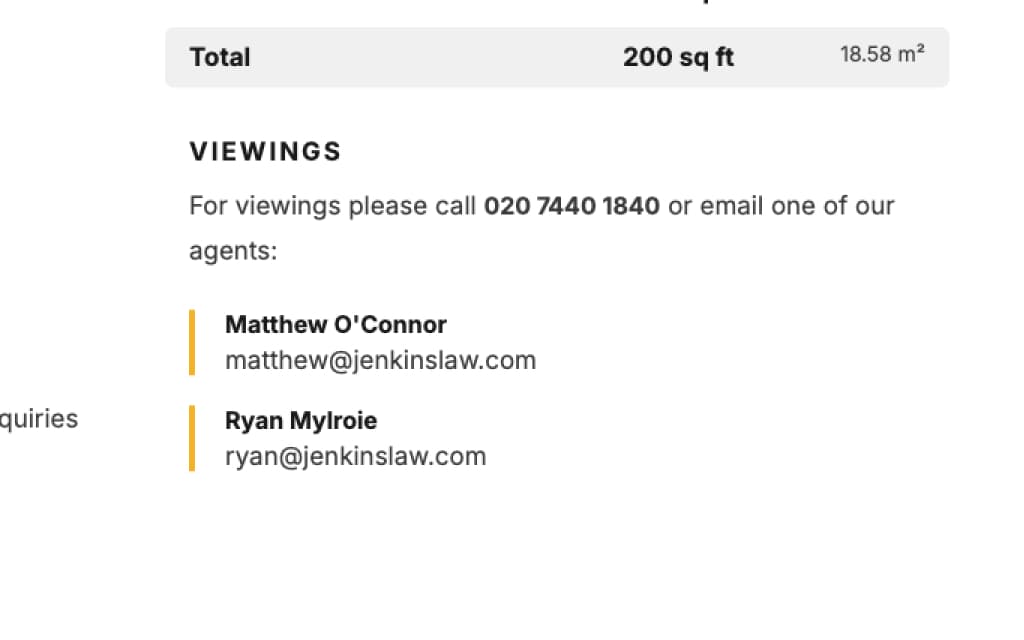
Quick options and override controls for complex lettings
The system
The product is structured around businesses and templates.
Each business has its own set of templates, along with its logo, colours, and typography baked into every document. I can create a business, invite users, assign specific templates to them, and switch into their account to see exactly what they see before anything goes live.
Templates are built through a hands-on process. I start by defining the exact inputs the document needs, for example property details, image galleries, floor plans, and key selling points. From there, I generate a layout that maps directly to those inputs, then test it inside a real company account with actual data. This usually exposes edge cases, like missing fields or awkward content lengths, which I refine before publishing. The goal is that by the time a template goes live, it works reliably across real scenarios without needing manual adjustment.
Each one is tailored to the business it serves.
Building with AI
This product was built entirely with AI.
No Figma. No static designs. The system was created directly in code through conversation.
AI handled architecture, UI, and implementation. My role was to define problems, guide decisions, and refine the experience.
It feels less like designing and more like sculpting, but at full speed. Instead of moving through a traditional design loop of wireframes, mocks, and handoff, I was iterating directly on the product itself. I could make a change, see it live, spot issues immediately, and refine again within minutes. That feedback loop, which normally takes days, was compressed into a continuous cycle of build, test, adjust, all happening in real time.
Outcome
Built in five days, largely because the design loop was happening directly in the product. Instead of moving through separate stages, I was iterating live: building, testing with real data, spotting issues, and refining within minutes. That compressed loop made it possible to reach a usable, end-to-end product quickly.
Agencies can now produce brochures faster, with consistent design, without relying on general-purpose tools. Documents are generated, stored, and reused in one place.
A messy, manual process becomes structured and repeatable.